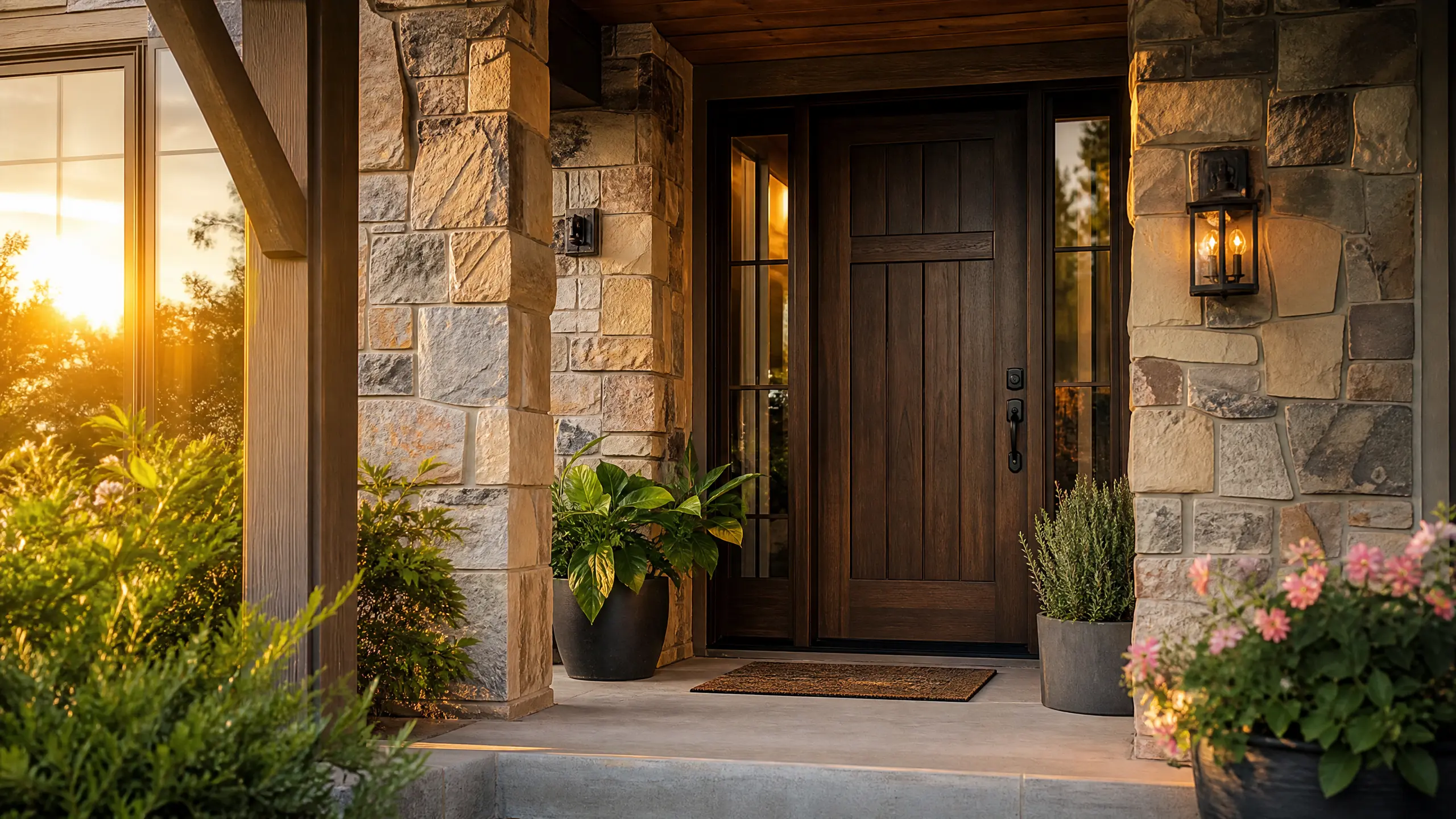
Make informed decisions about door security.
Learn how door, frame, lock, and access-control choices work together. Explore practical guidance and use our photo assessment as an initial screening—not a substitute for an on-site inspection or code review.
Security resources and partner information










How the Photo Assessment Works
Share a few views of your entry so you can begin identifying questions to investigate. Images alone cannot confirm every weakness, product fit, or code requirement.
1. Snap a Photo
Take a clear picture of your door's hardware, strike plate, and frame. No special equipment needed—just your smartphone camera.
2. AI Analysis
The assessment uses the submitted images to provide an initial view of visible hardware. Hidden framing, measurements, door condition, and local requirements may need an in-person review.
3. Actionable Report
Review suggested next steps as starting points, then confirm product compatibility and any building or life-safety needs with a qualified professional.
Forged in Manhattan.
Start with the Opening.
Door hardware choices depend on the opening, the building, and how people use the door. Multi-family and commercial properties may also have fire, accessibility, and egress requirements that should be checked for the specific location and use.
Start by understanding the existing door, frame, hardware, and access needs. Where a project involves a rated opening or an exit route, consult the applicable local code and a qualified door professional before changing hardware.
- Fire and life-safety requirements vary by opening and occupancy.
- Consider the needs of residents, staff, visitors, and property managers.
- Confirm hardware fit and installation requirements for the specific door.
Code Compliance
Applicable requirements depend on the door, location, and building use.
Tenant Safety
Prioritizing resident security with intuitive, high-grade access control systems.
Expert Installation
Hardware selection and installation should account for the existing opening.
Enterprise Grade
Choose hardware for the opening's use, compatibility, and required function.
Addressing the Hard Truths
We believe in transparency. Here are the direct answers to the most common questions homeowners and property managers ask us.
I already have a security alarm and cameras. Why do I need better door hardware?
Door hardware and alarms address different parts of security. An alarm can notify people of a detected event, while a properly selected and installed deadbolt, strike, frame, and door can contribute to resistance at the entry. Neither approach guarantees that entry is impossible; the door assembly and installation both matter.
Aren't smart locks less secure than traditional mechanical locks?
Compare the complete lock and access setup. Electronic access can add features such as managed credentials, but does not replace sound door and lock hardware. Compatibility, power, network configuration, credential management, and egress all matter. ANSI/BHMA grades describe tested performance benchmarks for a particular hardware standard—not a guarantee for the whole door assembly. See the BHMA grade-level explanation.
Why should I use your AI Assessment instead of calling a local locksmith?
Use it as an initial information-gathering step. A photo-based screening may help you prepare questions and describe visible hardware. It cannot see concealed framing, verify measurements or product fit, or replace an on-site assessment. Confirm recommendations with a qualified professional before purchasing or changing hardware.
My HOA/Building requires strict fire code compliance. Can you handle that?
The specific opening needs to be evaluated. Fire ratings, door hardware, and exit operation are subject to the requirements for the particular door and occupancy. NFPA explains that permitted locking arrangements depend on the building's use and the location of the opening. Review the applicable code and consult the authority having jurisdiction or a qualified professional before modifying a rated door or egress route. See NFPA's egress locking overview.
A Practical Guide to Door Security
A secure entry depends on more than the lock alone. The door, frame, hinges, strike, lock, and access method should work together, with choices matched to the building and its intended use. No single upgrade makes an opening invulnerable.
Look at the Whole Opening
A lock upgrade alone may leave other parts of the opening unchanged. Inspect the door condition, frame, strike area, hinges, and existing hardware. Reinforcement choices depend on the door material, construction, and how it is fastened; a visible plate cannot confirm the hidden framing behind it.
What a Photo Assessment Can—and Cannot—Show
A photo can help describe visible hardware and prepare follow-up questions. It cannot reliably reveal concealed construction, confirm measurements or code compliance, or replace an on-site inspection. Treat automated suggestions as preliminary, not as a diagnosis or approval.
Mechanical Locks and Electronic Access
Electronic credentials can make it easier to manage who may enter, but they add compatibility, power, configuration, and credential-management considerations. ANSI/BHMA grades indicate performance benchmarks under a particular hardware standard; a grade is not a rating for the entire door or a promise against forced entry. Compare the applicable product standard and the requirements of the opening.
Travel & Temporary Security
Portable locks may offer an additional barrier in some temporary accommodations, but they are not universal and may not fit every door or be permitted by the property. Check fit, instructions, and the accommodation's rules.
Read the 2026 Travel Lock GuideFor commercial openings and exit routes, security choices must also preserve required egress. NFPA notes that applicable locking arrangements depend on building occupancy and door location; get qualified, local guidance before changing rated or egress doors.