Best High-Security Deadbolt Locks (2026 Guide)
Compare high-security deadbolt options, including Medeco Maxum and Mul-T-Lock Hercular, and learn how ratings, key control, door fit, and reinforcement affect a secure choice.
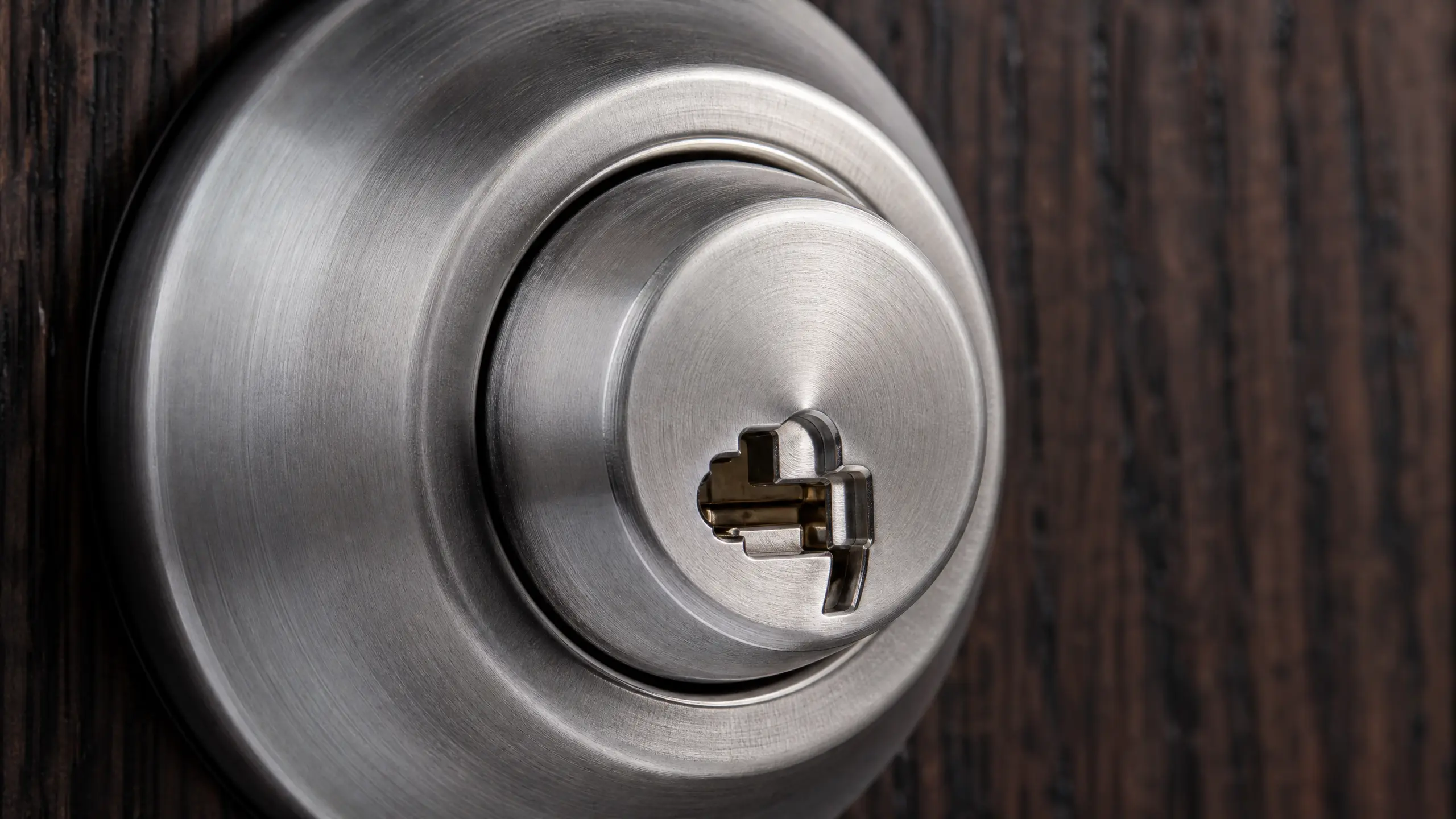
A high-security deadbolt is not made secure by its label alone. Look for model-specific evidence about the lock and cylinder, a key-control arrangement that fits your needs, and a door and frame that can support the hardware. Even a well-specified lock cannot compensate for a weak or damaged jamb, a poorly fitted strike, or keys that remain in circulation.
This guide compares the mechanical Medeco 4 Maxum and Mul-T-Lock Hercular, explains what can and cannot be concluded from the Schlage Primus XP name, and considers Schlage Encode Plus as a connected-access alternative. They are not equivalent products. Choose according to the opening, the physical and key-control features you need, and whether digital access is useful. We have not conducted a side-by-side destructive test; the product details below reflect manufacturer specifications and cited buying guidance, not personal test results.
What “high-security” should mean
Check the documentation for the exact lock or cylinder configuration rather than relying on a brand-wide claim. ANSI/BHMA grades are progressive performance benchmarks under the applicable hardware standard; Grade 1 is the highest of Grades 1 through 3. UL 437 is a separate standard titled “Key Locks.” These are distinct checks: a grade or listing is not a promise that a lock cannot be defeated, and neither rates the complete door, frame, strike, or installation. BHMA product grade levels · UL 437 standard listing
Key control is a separate consideration from physical protection. A restricted or managed key system can limit who is authorized to order duplicates, but cannot prevent an authorized key from being lost, lent, or copied outside that process. If former occupants or contractors may still have keys, ask whether the current lock can be rekeyed and what that accomplishes before assuming a new high-security system is necessary.
Mechanical deadbolt options
Medeco 4 Maxum
Medeco describes the Medeco 4 Maxum as a Grade 1 deadbolt with a one-inch hardened-steel bolt, a high-security cylinder, hardened-steel inserts, and rotating pins. Its model information lists UL 437 and ANSI/BHMA criteria and describes patented key control through authorized dealers. The manufacturer also specifies door-thickness and backset ranges; compare these with the actual opening before ordering. These are claims for the documented model and configuration, not guarantees against every attack. Medeco 4 Maxum specifications
Potential advantages: a mechanical deadbolt with model-specific Grade 1 and UL 437 information, plus a dealer-managed key-control option. Tradeoffs: duplication and service may depend on an authorized provider, and fit or replacement may require more care than a like-for-like basic deadbolt. Confirm the exact cylinder, keyway, function, finish, and dimensions in the quote because configurations can differ.
Mul-T-Lock Hercular
Mul-T-Lock lists the Hercular for residential and commercial doors. Its specifications describe a one-inch bolt throw and two hardened ball bearings that interlock with the strike, and make UL 437 and ANSI Grade 1 claims. Cylinder platforms and keying arrangements vary, including keyed-alike and master-keyed options. Verify the precise cylinder platform, key-control policy, and listed configuration in dealer documentation. Hercular Deadbolt specifications
Potential advantages: a heavy mechanical deadbolt with several cylinder and keying configurations. Tradeoffs: the value of those options depends on choosing the right system, and replacement keys or service may rely on an authorized local provider. Confirm local dealer availability and who can approve duplicates before purchase.
Schlage Primus XP
Primus XP names a Schlage high-security key system; it is not, by itself, a complete deadbolt model specification. To compare it fairly with a Maxum or Hercular, identify the exact Schlage lock or cylinder and ask for documentation of its applicable listing, grade, compatibility, and key-control terms. A restricted or patented keyway may help manage duplication, but does not establish the strength of the deadbolt, strike, or door assembly. Do not infer a particular deadbolt rating from the Primus XP name alone.
When a smart deadbolt may fit better
Schlage Encode Plus is aimed at connected access rather than a controlled mechanical key system. Schlage lists built-in Wi-Fi, programmable access codes, lock history, notifications, and Apple Home Key compatibility. Codes and connected access can be useful for managing guests, but also bring battery, app/account, network, and credential-management considerations. Check the exact model’s physical rating and fit separately; the cited manufacturer information does not establish it as a high-security-cylinder equivalent to the mechanical options above. Schlage Encode Plus product details
A smart lock can be the more useful choice when temporary codes or connected access solve a real access-management problem. If you want a mechanical key system and do not need connected functions, a conventional deadbolt avoids dependence on batteries, an app or network. Smart features do not inherently improve resistance to physical entry; the strike and frame matter too. Consumer Reports door-lock buying guide
Fit, key control, and installation checks
Before choosing, name the problem you want to solve: worn hardware, uncertainty about who has keys, vulnerability around the strike, or the need to issue temporary credentials. Then check:
- Door fit: thickness, backset, bore preparation, handing, and trim requirements. Confirm the exact model’s compatibility rather than assuming a deadbolt will fit every opening.
- Lock and key configuration: exact model and cylinder, keyway, function, and who may authorize duplicate keys. Ask what happens to existing keys if the lock is rekeyed.
- Operation and frame: the bolt should extend smoothly into an aligned strike. Inspect the jamb and strike for looseness or damage; stronger lock hardware cannot correct a weak installation.
- Reinforcement: choose reinforcement appropriate to the door and construction. It must not interfere with a rated door assembly. See our deadbolt grades guide and door reinforcement service.
- Inside operation and egress: a double-cylinder deadbolt requires a key from the inside as well as outside. That may affect emergency exit and can be restricted by local rules or building requirements. Check applicable fire and egress requirements before selecting that function.
Ask the seller or installer to identify the precise model and cylinder, show the documentation supporting any grade or listing claim, confirm fit, explain the key-duplication process, and describe how the strike and frame will be secured. For a smart model, also ask about power, backup access, and the consequences of losing app or network access.
Common questions
Does Grade 1 mean a lock is impossible to defeat?
No. Grade 1 is the highest of the ANSI/BHMA Grade 1–3 levels for the applicable product standard. It is not a guarantee against every attack, nor does it rate the entire installed opening. Check the exact model documentation and the condition of the door, frame, and strike.
Does UL 437 certify the whole door?
No. UL 437 is a key-lock standard. A listing applies to the listed lock or cylinder, not automatically to the door, frame, installation, or other components. Verify the claim for the exact configuration.
Should I rekey or replace my deadbolt?
If the lock is in good condition and the main concern is who has keys, ask a locksmith whether it can be rekeyed and whether that addresses your key-control needs. Replacement may make sense if the lock is damaged, incompatible, or lacks the physical or access features you need. Rekeying changes key compatibility; it does not strengthen a weak door or frame.
Are smart deadbolts high-security locks?
Connected features alone do not establish a high-security rating. Evaluate the exact model’s documented physical specifications, credential controls, power requirements, and backup method separately. A smart lock may be convenient for managing access without being equivalent to a controlled-key mechanical cylinder.
For related comparisons, see best deadbolt locks for home security, budget deadbolts, and our guide to ANSI/BHMA deadbolt grades. If you need help identifying fit or key-control options, request a security assessment.
Related Security Reviews
Best Apple HomeKit Smart Locks (2026 Guide)
Compare Apple Home smart locks with Home Key, including Schlage, Yale, Level and Aqara options, model-specific compatibility, connectivity and installation trade-offs.
Best Video Doorbell Cameras: Features, Storage & Fit
Compare Google Nest Doorbell (wired, 2nd gen), Ring Video Doorbell Pro 2, and Wyze Video Doorbell v2 by power, recording, smart-home fit, and tradeoffs.
Best Fingerprint Door Locks (2026 Guide)
Compare fingerprint door locks, including Yale Assure Lock 2 Touch, Ultraloq Bolt Fingerprint, and Kwikset Halo Touch. Learn what to check for fit, backup access, connectivity, and security.
Get a Professional Security Assessment
Based in Manhattan, our security experts serve homeowners and businesses nationwide. Use our free AI tool to pinpoint your exact vulnerabilities.